
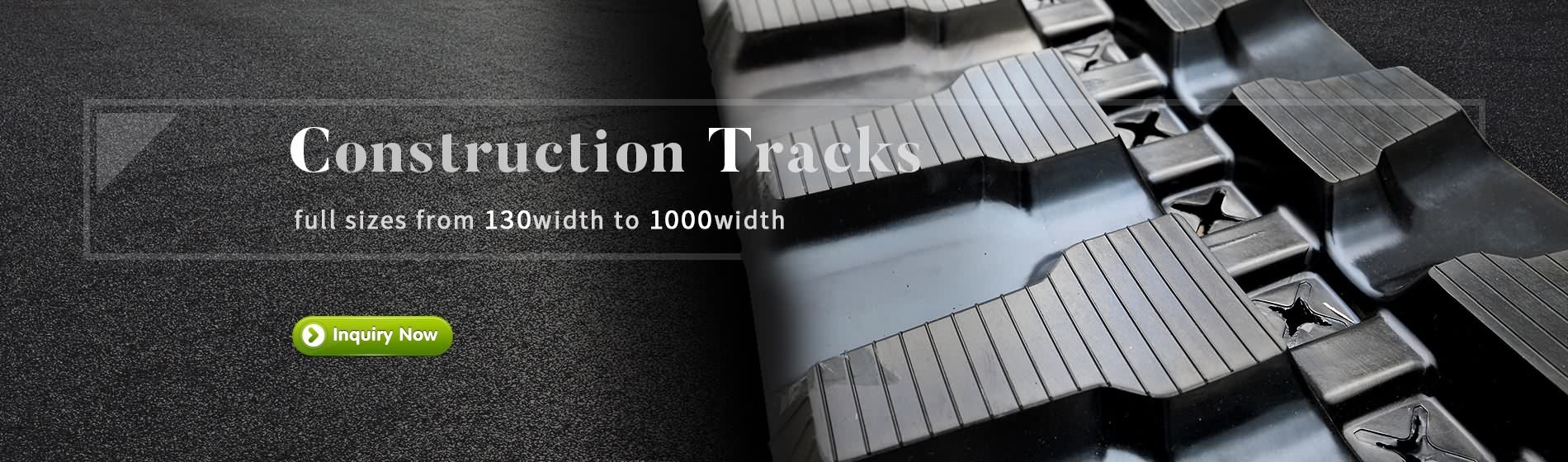
Top China Manufacturer of Rubber Tracks & Small Rubber Tracks
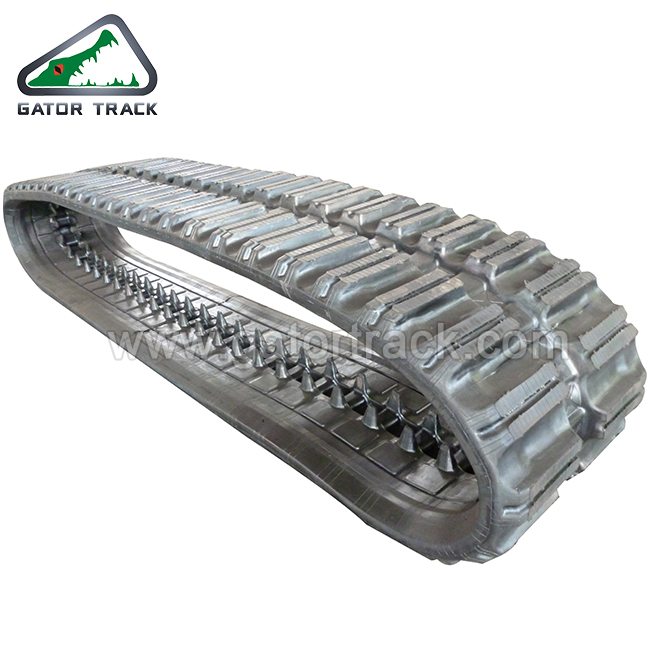
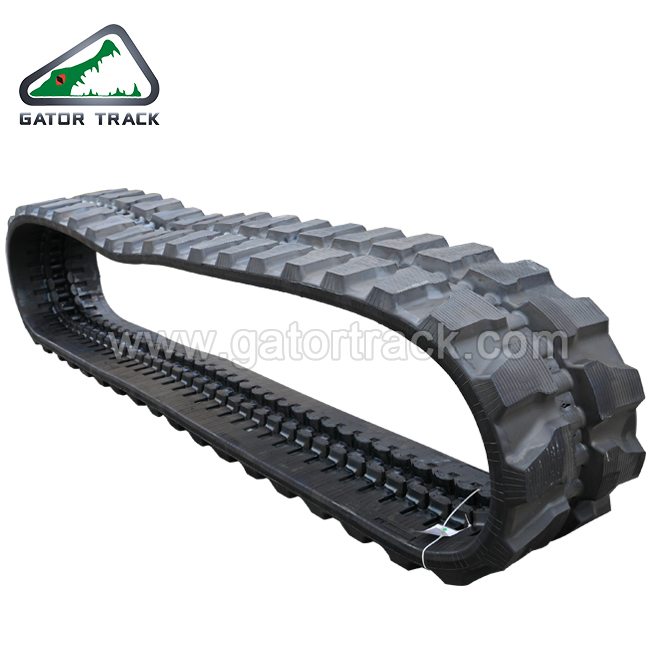
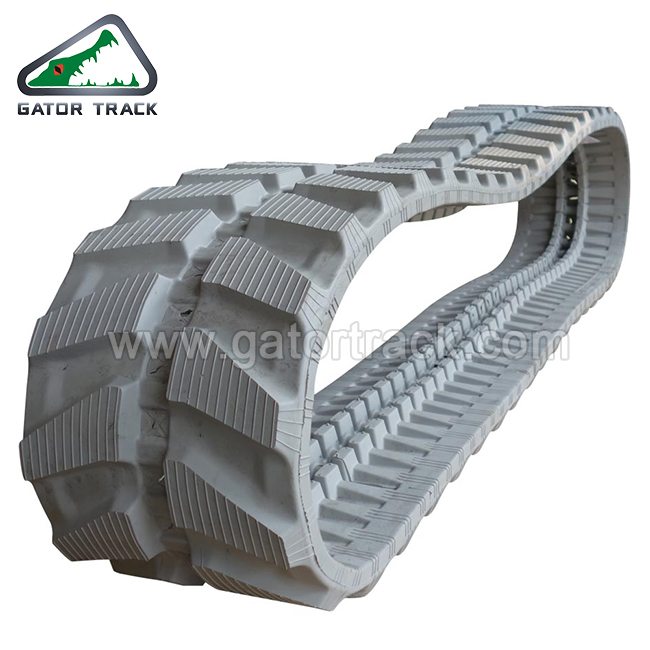
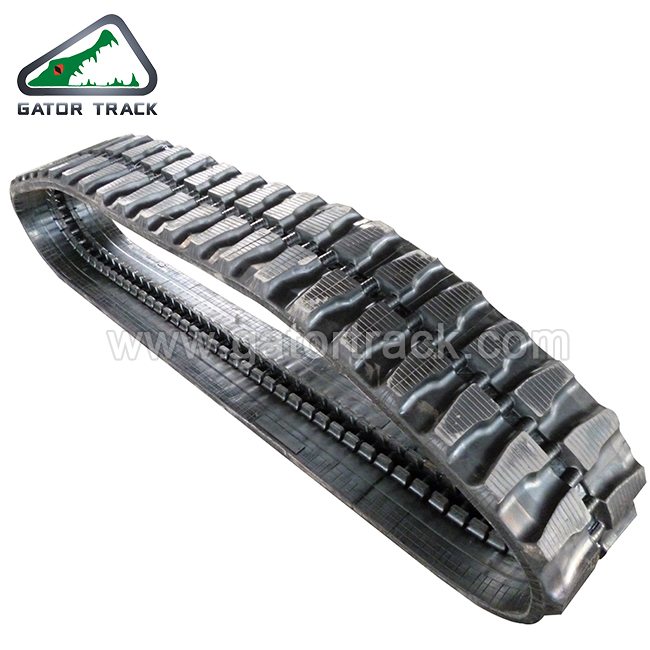
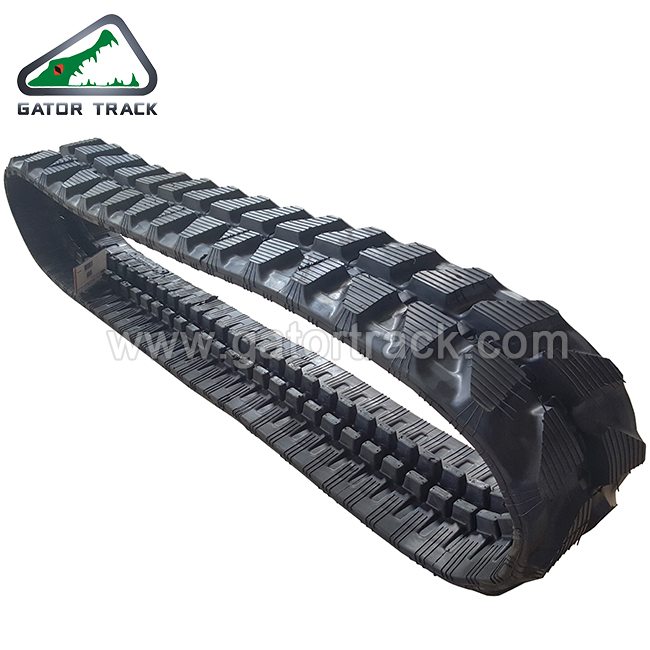
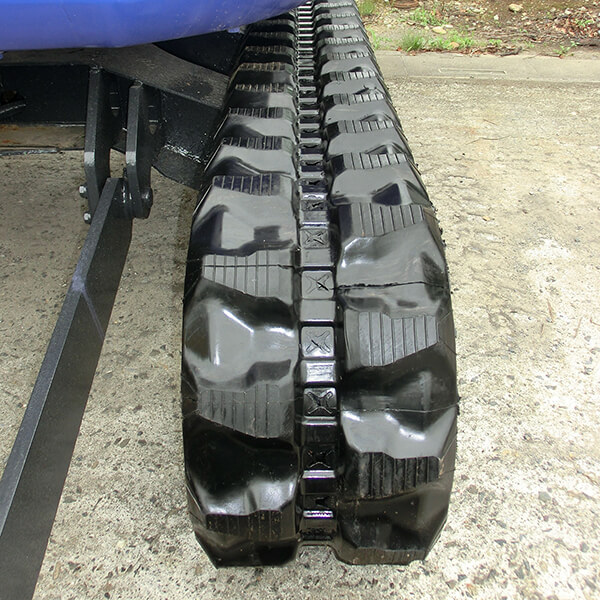
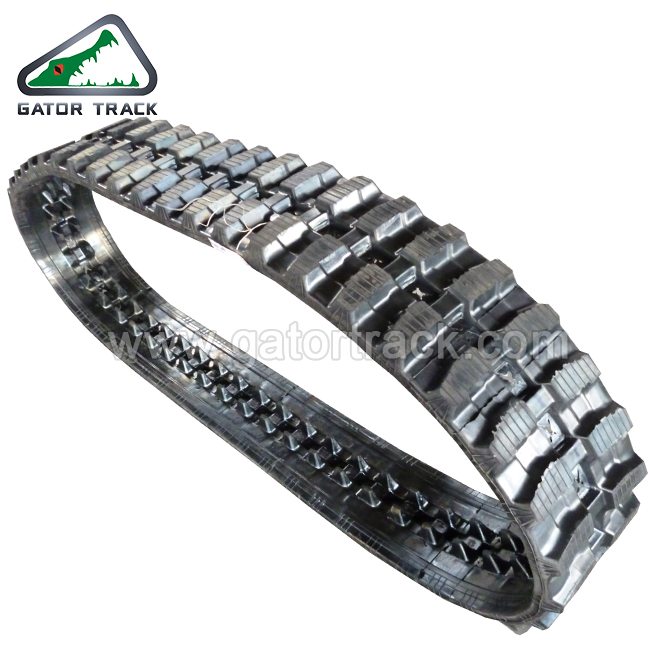
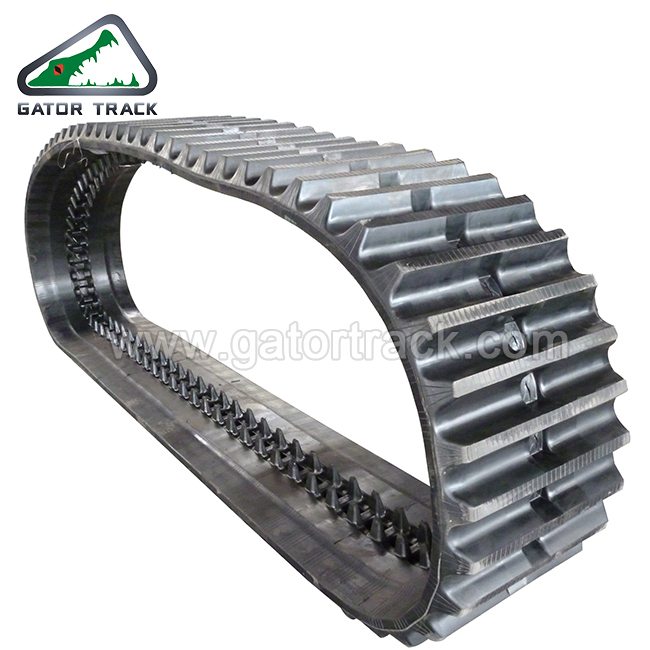
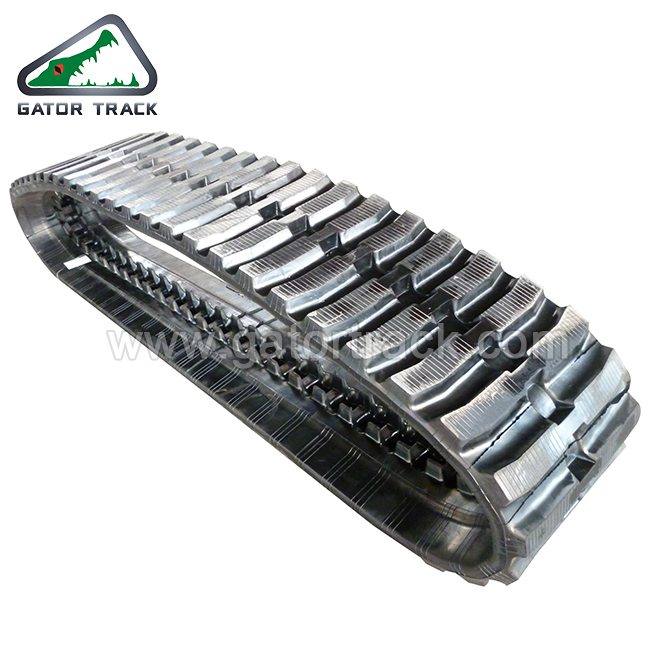
When I'm in need of reliable rubber tracks, I often turn to China for my sourcing. Their expertise in manufacturing Rubber Track and Small Rubber Track is unmatched. These tracks offer impressive durability and performance, perfect for a variety of equipment like mini excavators and compact loaders. What I find particularly compelling is the flexibility in customization. From different sizes to specific tread patterns, I can easily find a solution that meets my project requirements. I've noticed that working directly with manufacturers in China not only streamlines my procurement process but also ensures I get high-quality products at competitive prices. Plus, the advanced technology used in the production process means I can trust the longevity and reliability of these tracks. If you're searching for an efficient and cost-effective solution for your machinery, considering China-based manufacturers could be a game-changer. It's always been a smart choice for meeting my needs.


China Rubber Track and Small Rubber Track in 2025 Guarantees Peak Performance
As we look ahead to 2025, the demand for rubber tracks, particularly in the agricultural, construction, and landscaping sectors, continues to rise. The evolution of technology and materials in this field promises not only enhanced durability and performance but also greater efficiency for machinery operators worldwide. A robust rubber track system minimizes ground disturbance while maximizing traction, which is crucial for operations in diverse terrains. With innovation at the forefront, manufacturers are incorporating advanced materials to produce lighter, stronger, and more resilient rubber tracks. This evolution ensures that small rubber tracks maintain optimal performance, even under the most demanding conditions. Global procurement specialists must stay informed about these advancements to make strategic purchasing decisions that enhance operational efficiency and reduce downtime for their fleets. Investing in high-quality rubber tracks is not just about meeting immediate needs; it’s about ensuring long-term reliability and performance. As we move towards 2025, aligning procurement strategies with suppliers who prioritize quality and innovation will be essential for companies looking to stay competitive in an increasingly dynamic market. Emphasizing sustainable practices and superior engineering will ultimately lead to superior machinery performance and customer satisfaction.
China Rubber Track and Small Rubber Track in 2025 Guarantees Peak Performance
| Track Type | Material Composition | Load Capacity (kg) | Operating Temperature Range (°C) | Expected Lifespan (hours) |
|---|---|---|---|---|
| Standard Rubber Track | Natural Rubber & Nylon | 3000 | -20 to 60 | 4000 |
| Heavy-Duty Rubber Track | Synthetic Rubber & Steel | 5000 | -30 to 70 | 6000 |
| Small Rubber Track | Natural Rubber & Fabric | 1500 | -10 to 50 | 3000 |
| Mini Rubber Track | Synthetic Rubber & Aramid Fiber | 1000 | -15 to 55 | 2500 |
Related Products


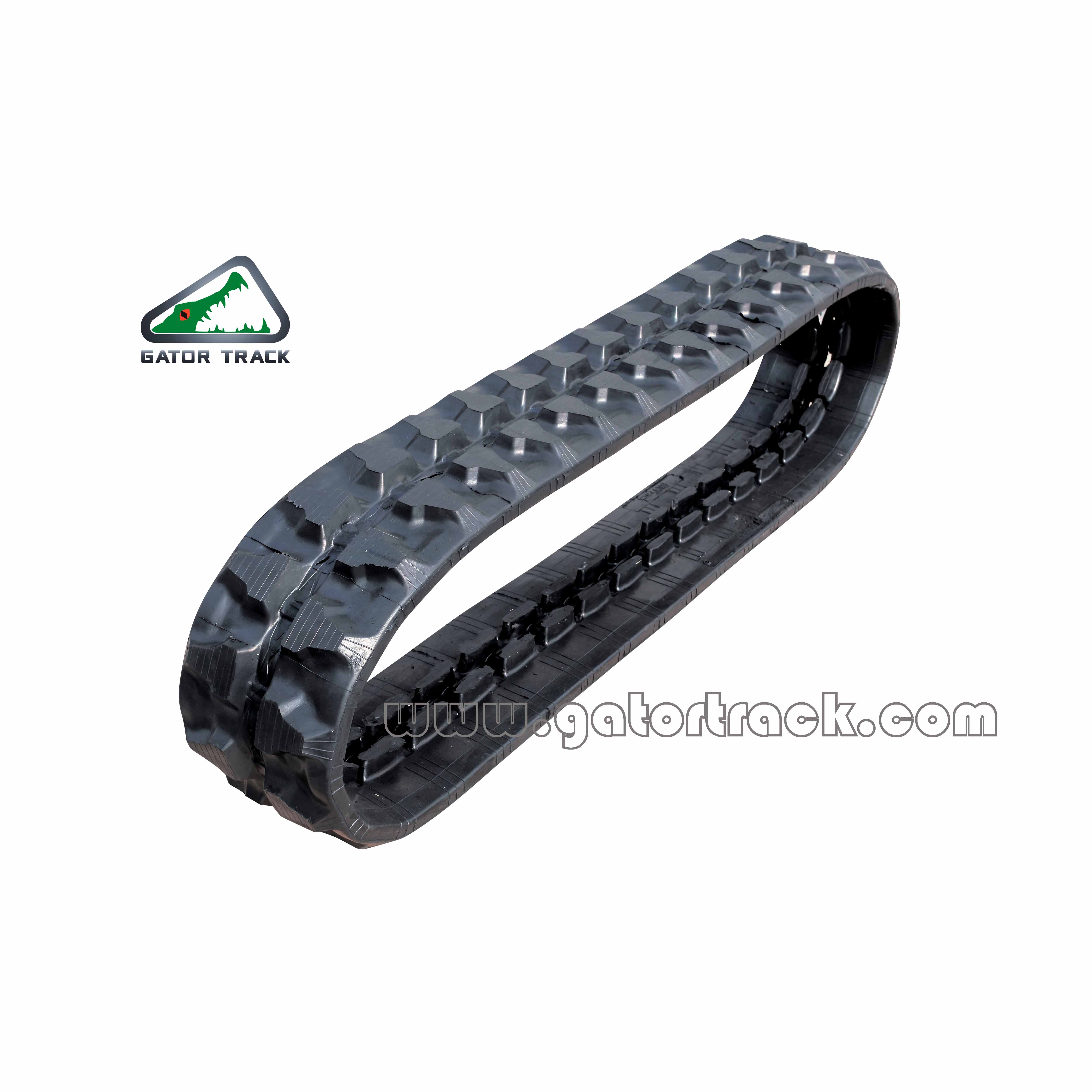
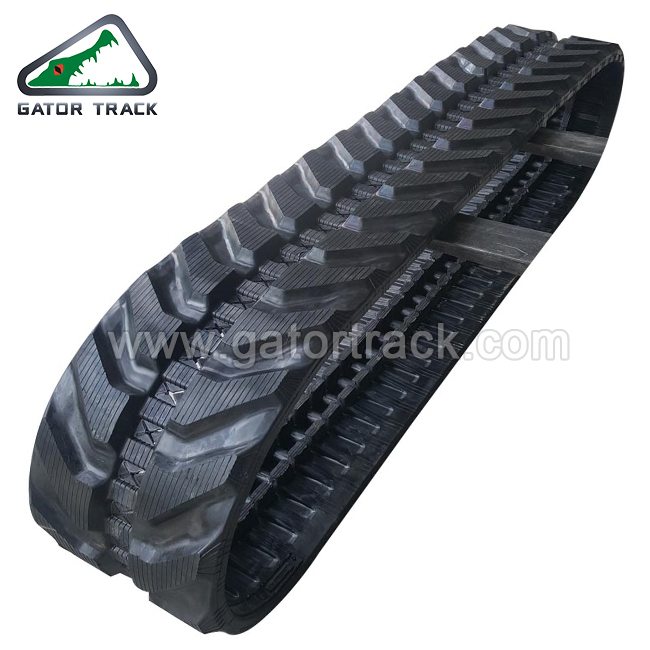
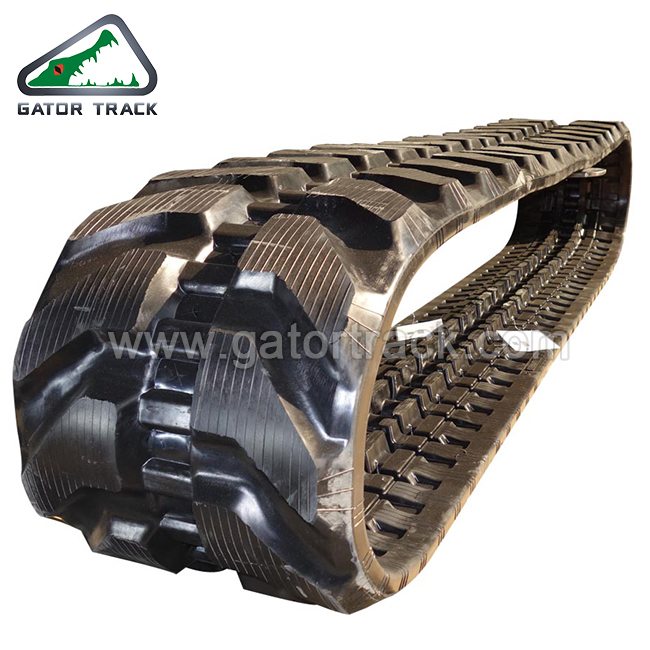
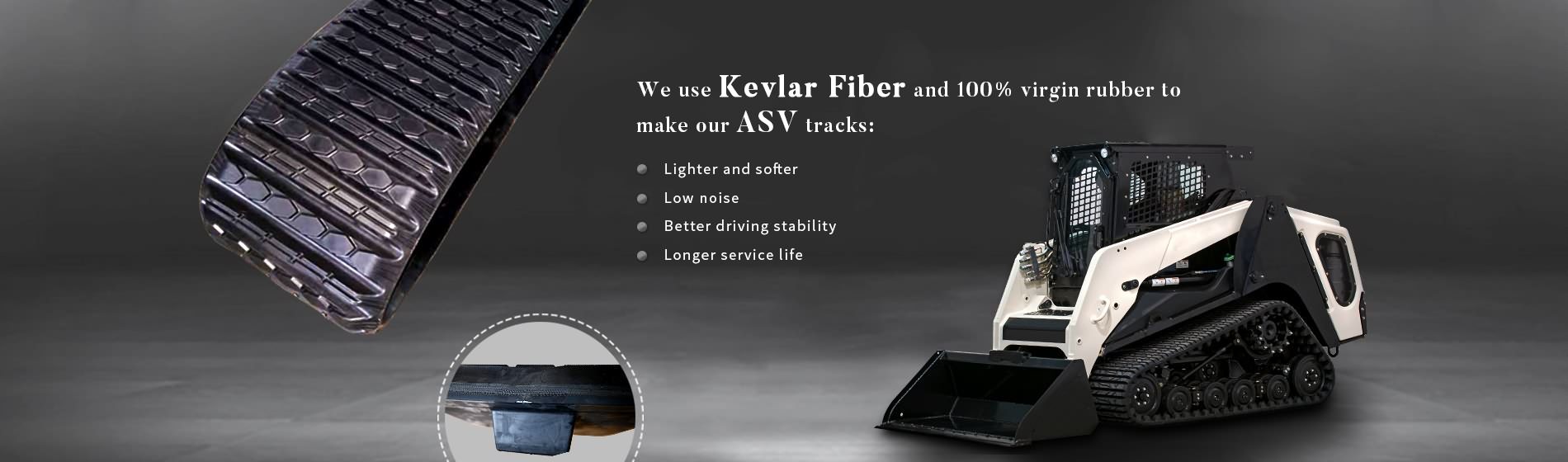
China Rubber Track and Small Rubber Track Supplier Guarantees Peak Performance
Top Selling Products
- Related Blog
- Reviews
