

Agriculture Tracks: Leading Manufacturer in China for Quality Solutions
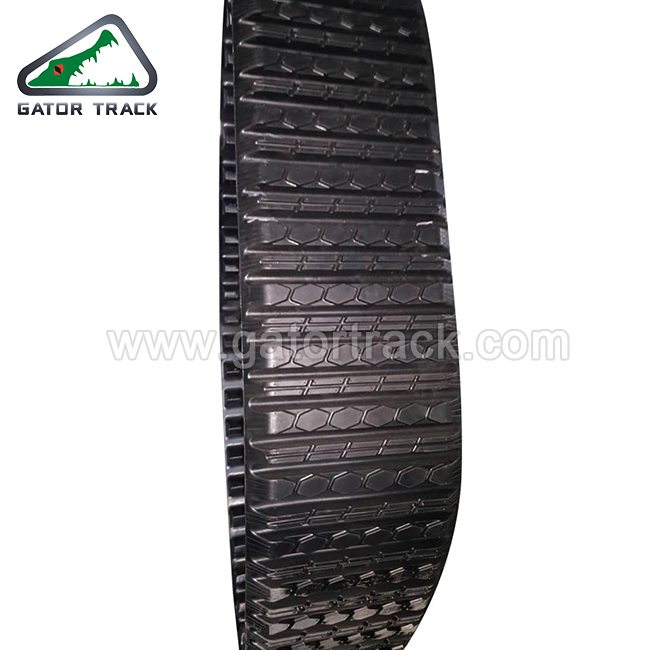
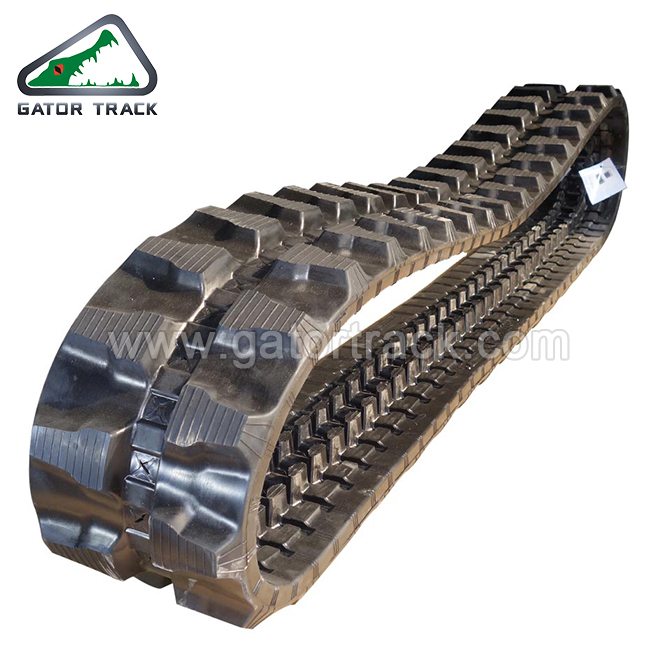
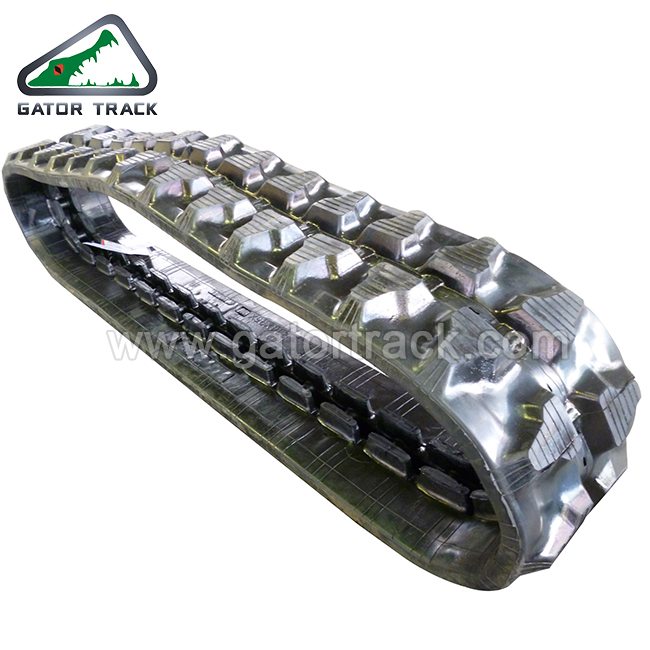
As a professional in the agriculture sector, I understand the importance of reliable and efficient tracks for your machinery. Our agriculture tracks, proudly manufactured in China, are designed to enhance the performance and longevity of your equipment. I’ve seen firsthand how quality tracks can transform farming operations, ensuring better traction, reduced soil compaction, and overall improved productivity. What sets our products apart is the meticulous attention to detail in the manufacturing process. Each track is crafted to withstand harsh conditions while providing the stability and support that you need. With our agriculture tracks, you’re not just investing in a product; you’re investing in the future of your farming business. I invite you to elevate your equipment’s performance and experience the difference our top-tier tracks can make. Don't miss out on the chance to optimize your operations with the best in the industry!
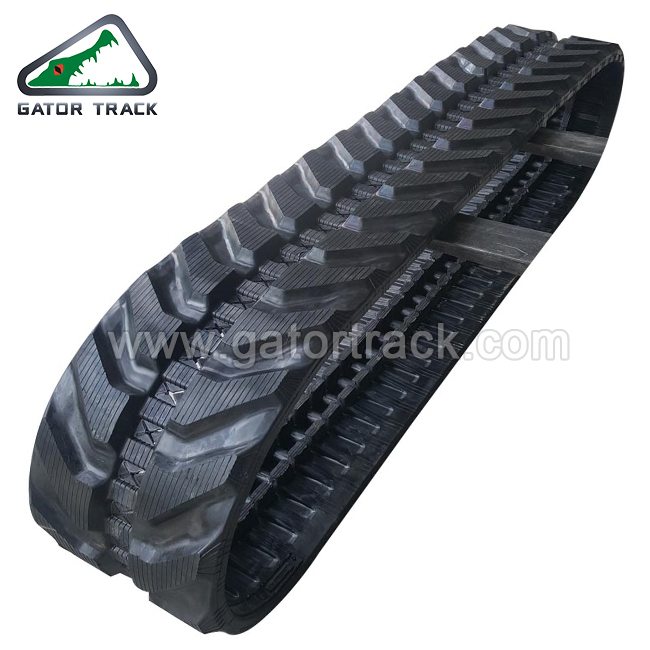
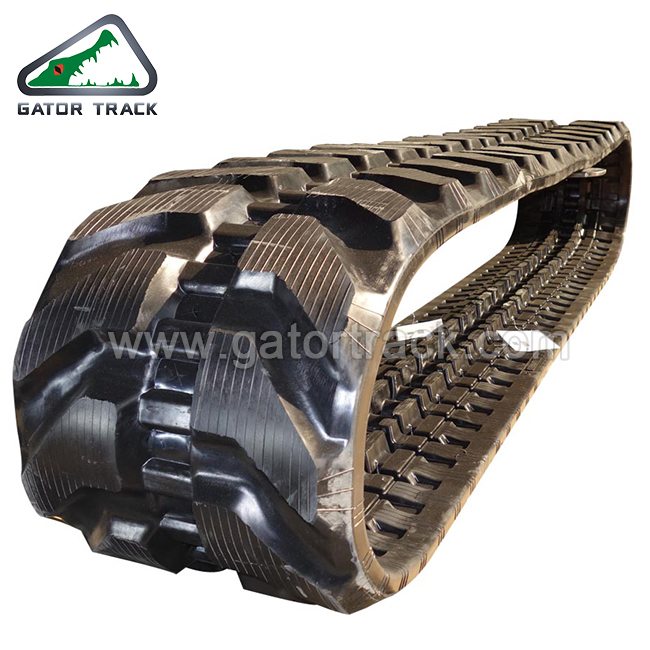
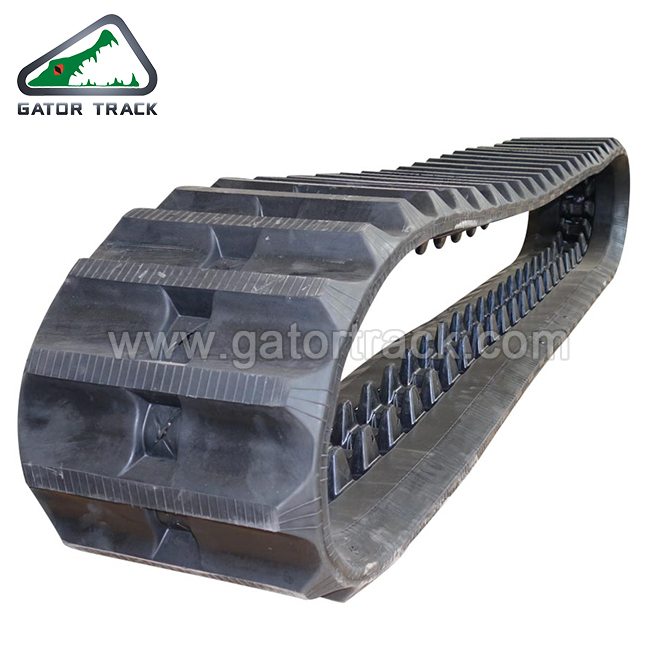
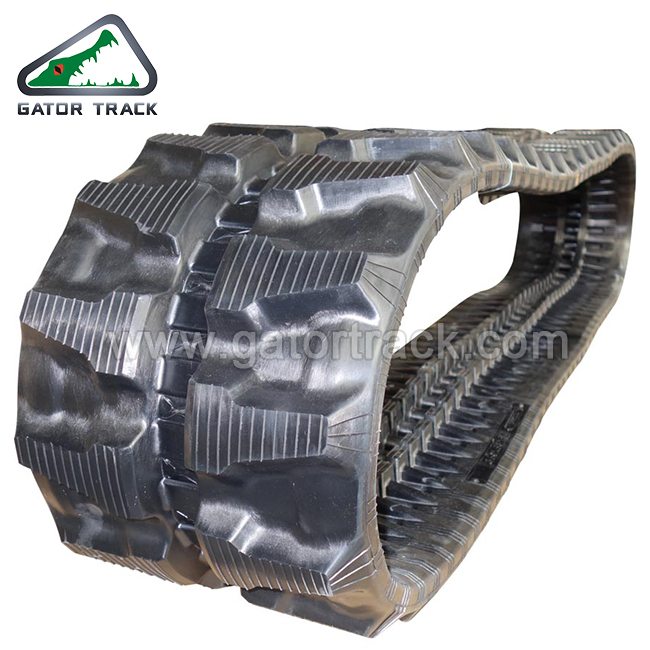
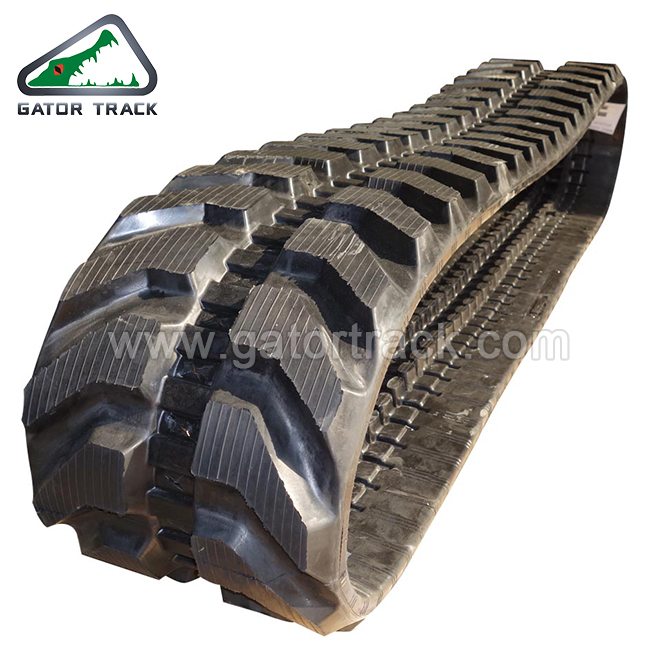
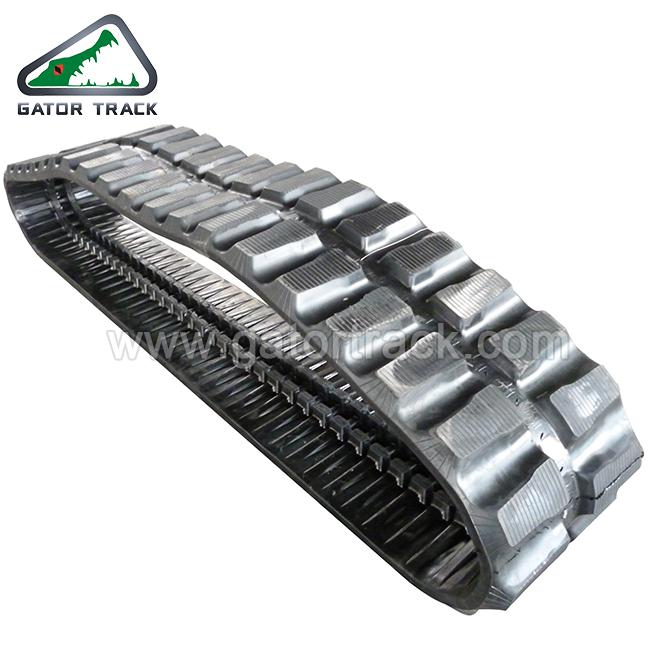
Agriculture Tracks For the Current Year Winning in 2025
In the rapidly evolving agricultural sector, the adoption of innovative solutions is crucial for staying competitive. As we advance towards 2025, the importance of efficient and reliable agriculture tracks becomes increasingly evident. These tracks are designed to enhance equipment mobility and productivity in various terrains, enabling farmers to maximize yield while minimizing operational challenges. For global purchasers, investing in advanced agriculture tracks can offer significant advantages. With features such as improved traction, durability in rugged conditions, and reduced soil compaction, these tracks not only boost operational efficiency but also contribute to sustainable farming practices. As the industry moves towards environmental consciousness, selecting the right equipment that aligns with sustainability goals becomes essential for long-term success. As we move through the current year, keeping an eye on trends and innovations in agriculture tracks will be vital. This is not only about enhancing current operations but also about preparing for the future of farming. Those who embrace these technologies early on will likely position themselves as leaders in the agricultural landscape of 2025 and beyond, ensuring that they are well-equipped to meet the challenges and demands of a continually changing market.
| Track | Current Trends | Projected Growth Rate (%) | Investment Opportunities | Key Challenges |
|---|---|---|---|---|
| Precision Agriculture | Increasing use of data analytics and IoT | 15% | Smart sensors, Drones | High initial costs, Data privacy |
| Sustainable Farming | Emphasis on eco-friendly practices | 12% | Organic products, Regenerative practices | Regulatory hurdles, Farmers' adaptation |
| Vertical Farming | Growth in urban agriculture | 20% | Hydroponics, Aeroponics | High operational costs, Energy consumption |
| Biotechnology | Genetic modification for higher yields | 10% | CRISPR technology, GM crops | Public acceptance, Regulatory issues |
| AgriTech Solutions | Emergence of agritech startups | 18% | Farm management software, Market platforms | Market competition, Scalability |
Related Products
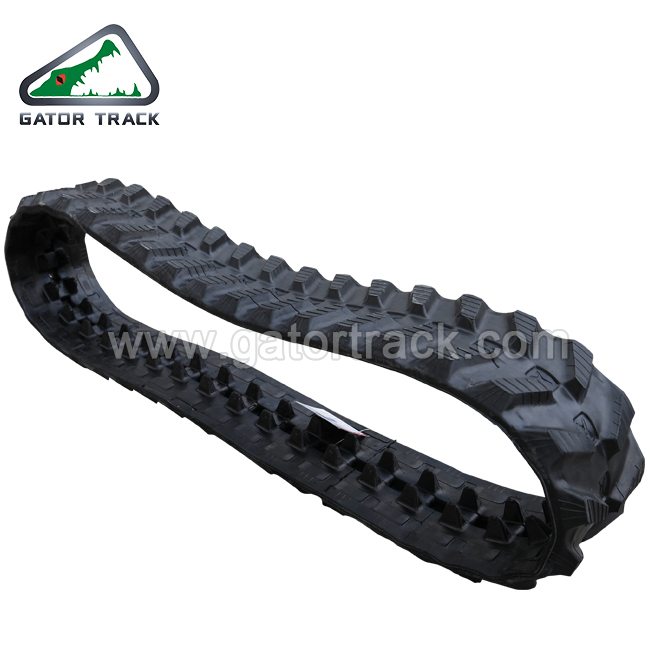
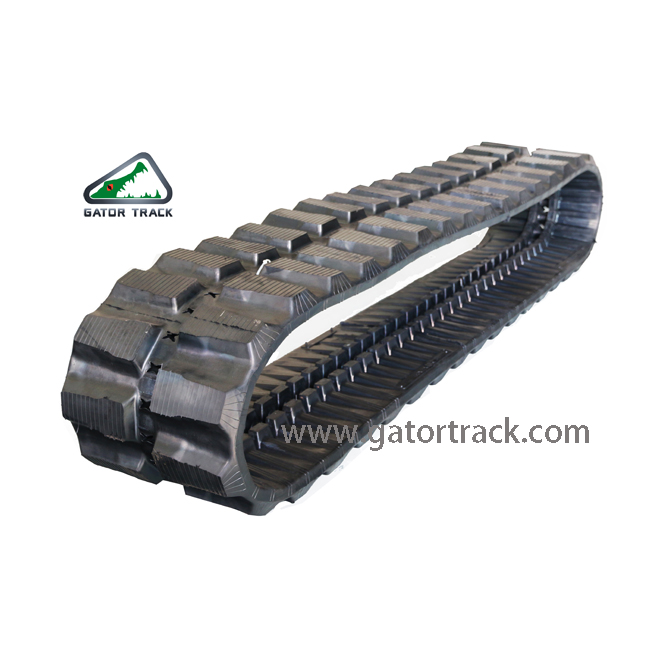
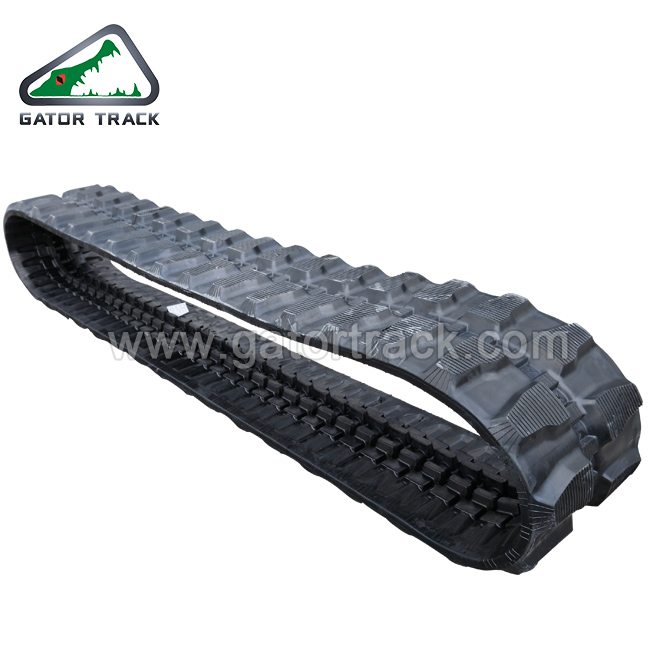

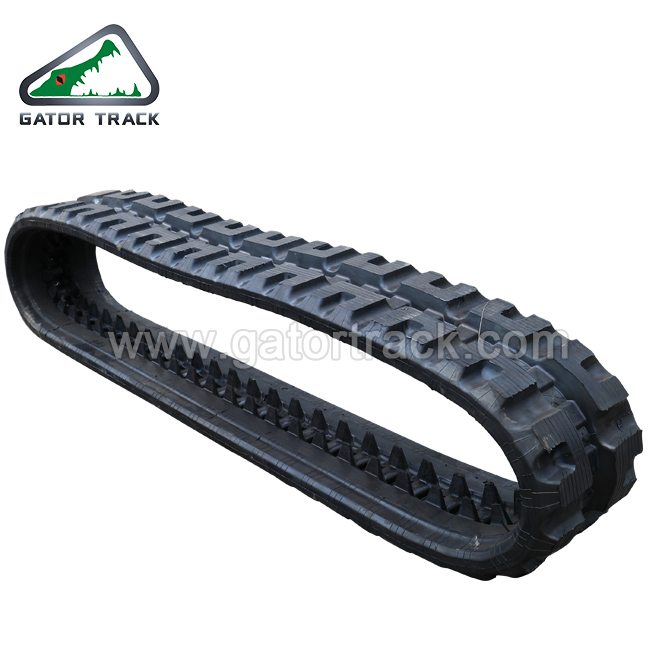
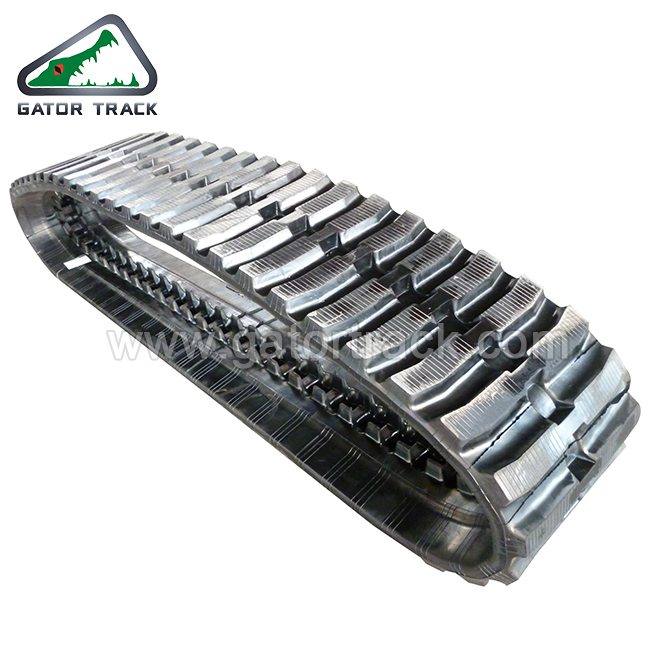

Agriculture Tracks Products Your Trusted OEM Partner
Top Selling Products




- Related Blog
- Reviews
